
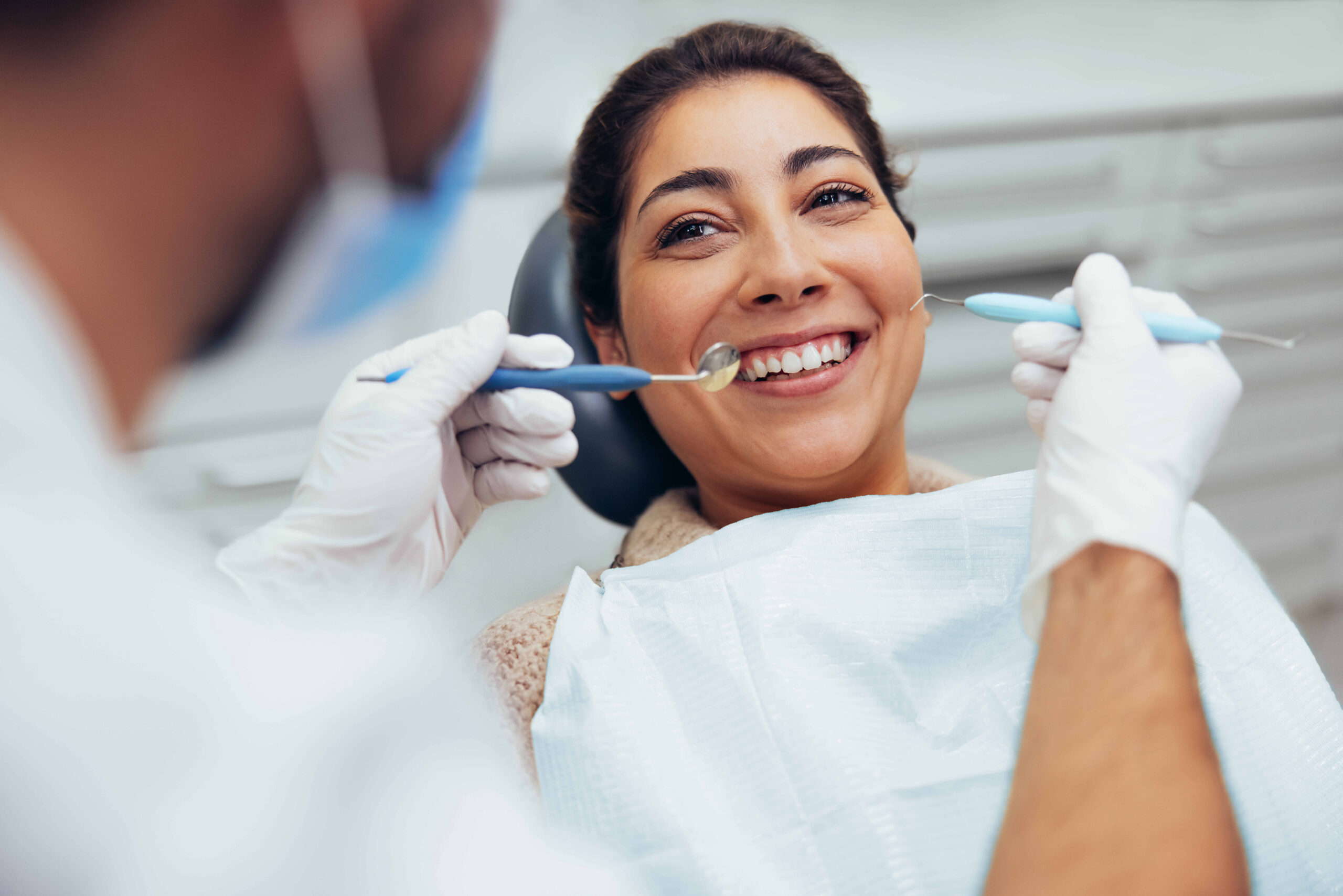
Skipping a dental checkup can feel like an easy way to save money, especially when nothing hurts and the budget is tight. The trouble is that dental problems rarely stay small, and the cost of waiting tends to multiply quickly as a minor issue turns into a painful, complicated, and expensive one.
Why Dental Care Is So Easy to Put Off
Dental care occupies an unusual place in household budgets. Many adults lack dental insurance, and even those who have it often face annual benefit maximums, waiting periods, and coverage limits that leave significant costs on their shoulders. Unlike a sudden illness, early dental problems usually cause little or no discomfort, which makes it easy to postpone a cleaning or ignore a small sensitivity until it becomes impossible to ignore. Fear of the dentist, difficulty taking time off work, and uncertainty about costs all add to the tendency to wait. The result is that many people only see a dentist when something hurts, which is often the point at which treatment becomes most expensive.
How Small Problems Compound
Dental disease is progressive, and that progression is where the real cost lies. According to the Centers for Disease Control and Prevention, nearly all Americans have had tooth decay at some point, and untreated oral diseases can lead to severe pain, infection, and tooth loss. A small cavity caught at a routine checkup can usually be treated with a simple filling. Left alone, that same cavity can grow until it reaches the nerve of the tooth, requiring a root canal and often a crown to protect what remains. If the tooth becomes too damaged to save, the next steps are extraction and replacement with a bridge or implant, which can cost many times more than the original filling would have. Gum disease follows a similar pattern. Early gum inflammation can often be reversed with professional cleanings and better home care, while advanced periodontal disease may require deep cleanings, ongoing periodontal maintenance, or surgery, and can eventually lead to tooth loss.
The Emergency Room Is the Most Expensive Dentist
When dental pain becomes severe, many people without a regular dentist end up in a hospital emergency department. That is one of the costliest and least effective places to get dental care. The American Dental Association reports that emergency department visits for dental problems cost roughly three times as much as a visit to a dentist, averaging about $749 when the patient is not admitted to the hospital. Most emergency departments do not have dentists on staff, so patients typically leave with pain relief and antibiotics but without treatment for the underlying problem, which means the issue often returns. Across the health system, the costs add up significantly. An analysis published by Medicaid.gov cites an estimate of $2.7 billion in costs associated with emergency department dental visits in 2017. For an individual household, paying for an emergency visit and then still needing dental treatment afterward means paying twice for the same problem.
The Health Costs Beyond Your Mouth
The consequences of neglected dental care are not limited to your teeth. Dental infections can spread and, in serious cases, become dangerous enough to require hospitalization. Researchers have also linked gum disease to other health conditions, including diabetes and heart disease, and managing those conditions can become more complicated when oral health is poor. Missing or damaged teeth can make it harder to eat a balanced diet, affect speech, and influence self-confidence in social and professional settings. Chronic dental pain can disrupt sleep and concentration, which may affect job performance and overall quality of life. When you consider these broader effects, the value of preventive dental care extends well beyond the price of a cleaning.
What to Prioritize When Money Is Tight
If you cannot afford every recommended dental procedure at once, prioritizing wisely can protect both your health and your budget. Start with any active infection, swelling, or severe pain, since these problems can become dangerous and more costly the longer they wait. Next, address problems that are likely to get worse quickly, such as large cavities, cracked teeth, or broken fillings, because treating them now can prevent the need for root canals or extractions later. Preventive care should come next, including regular cleanings and exams, which help catch new problems while they are still small and inexpensive. Cosmetic procedures, such as whitening or veneers, can usually wait until your oral health and finances are stable. Ask your dentist to help you rank recommended treatments by urgency and to explain what could happen if each one is delayed. Most dentists are willing to create a phased treatment plan that spreads costs over time.
Ways to Make Dental Care More Affordable
Cost is the most common reason people delay dental care, but several options can reduce the financial burden. If you have dental insurance, make sure you use your preventive benefits, which often cover cleanings and exams at little or no cost, and plan larger treatments around your annual maximum, sometimes splitting work across two benefit years. Health savings accounts and flexible spending accounts can be used for many dental expenses with pre-tax dollars. Community health centers often provide dental care on a sliding fee scale based on income, and dental schools offer treatment by supervised students at reduced prices. Many dental offices offer in-house membership plans for patients without insurance, providing cleanings and discounts on other services for an annual fee. Some offices also allow payment plans, which can be preferable to delaying necessary treatment. Before agreeing to any financing, compare the interest rate and terms carefully.
Warning Signs You Should Not Ignore
Because early dental problems are often painless, it helps to know the subtle signals that something needs attention before it becomes an emergency. Sensitivity to hot, cold, or sweet foods can indicate a cavity or a worn filling. Gums that bleed when you brush or floss, look red and swollen, or seem to be pulling away from your teeth may be early signs of gum disease. Persistent bad breath, a bad taste in your mouth, or a tooth that feels slightly loose should also prompt a visit. A chipped or cracked tooth, even one that does not hurt, can worsen quickly under normal chewing pressure. Swelling in the face or jaw, fever, or pain that spreads to your ear or neck may signal an infection and should be treated promptly. Calling a dentist when these symptoms first appear is almost always less expensive than waiting until the pain becomes unbearable.
Build Dental Care Into Your Budget
The most effective way to avoid costly dental emergencies is to treat dental care as a regular, planned expense rather than an occasional surprise. Set aside a small amount each month for dental costs, even if you have insurance, so deductibles, copays, and uncovered treatments do not catch you off guard. Schedule cleanings and exams at the intervals your dentist recommends, and do not wait for pain to make an appointment. At home, consistent brushing with fluoride toothpaste, daily flossing, and limiting sugary snacks and drinks go a long way toward preventing problems in the first place. These habits cost very little and can save thousands of dollars over time.
Pay a Little Now or Much More Later
Ignoring dental care rarely saves money in the long run. The longer a problem goes untreated, the more complicated and expensive the solution becomes, and the greater the risk to your overall health. If it has been a while since your last checkup, schedule one now, and ask your dentist to help you prioritize any needed treatment within a realistic budget. A modest investment in prevention today is one of the most reliable ways to protect both your smile and your finances.
Sources
- Centers for Disease Control and Prevention, “Oral Health” chronic disease indicators: https://www.cdc.gov/cdi/indicator-definitions/oral-health.html
- American Dental Association, “Emergency department referrals”: https://www.ada.org/resources/community-initiatives/action-for-dental-health/emergency-department-referrals
- Medicaid.gov, “Medicaid Adult Beneficiaries Emergency Department Visits for Non-Traumatic Dental Conditions”: https://www.medicaid.gov/medicaid/benefits/downloads/adult-non-trauma-dental-ed-visits.pdf
